Winter's Grip on Calgary's Suburban Home Games: How Snow and Schedules Reshape Weekly Poker Gatherings
Written by Alex Perry · Oct 20, 2026
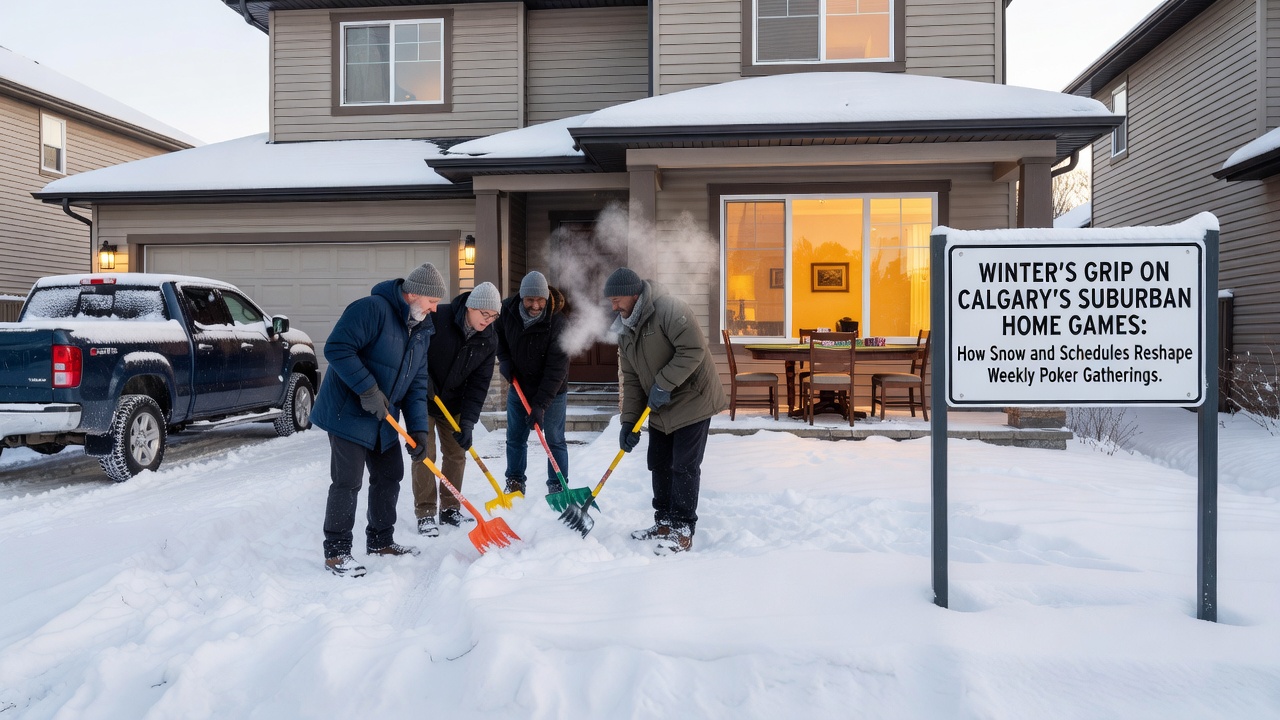
Winter's Grip on Calgary's Suburban Home Games: How Snow and Schedules Reshape Weekly Poker Gatherings
Calgary's suburban neighborhoods see weekly poker gatherings shift in response to winter weather patterns that bring heavy snowfall and icy roads, with data from Environment and Climate Change Canada indicating average seasonal accumulations exceeding 120 centimeters in the city proper and surrounding areas. These conditions force hosts and players to adjust meeting times while snow removal crews work to clear residential streets that often receive secondary priority compared to main thoroughfares. Observers note that games scheduled for midweek evenings experience the most frequent postponements because commuters return home later and visibility drops sharply after sunset during storms.
Suburban participants track municipal snow clearing schedules published by the City of Calgary, which prioritizes arterial roads before moving to local cul-de-sacs where many home games take place. When forecasts predict accumulations over 10 centimeters, groups commonly move gatherings to the following weekend or reduce attendance to those within walking distance. Figures from Alberta Transportation reveal that winter months see a measurable rise in single-vehicle incidents on residential routes, prompting players to factor extra travel time or rely on rideshares that sometimes become unavailable during peak storm periods.
Weather Data and Game Frequency Patterns
Historical records compiled by the University of Calgary's geography department show that October through March accounts for the majority of snow events, with October 2026 marking the start of another cycle where early season flurries already prompt initial schedule reviews among regular groups. Players in areas such as Tuscany and Sage Hill report consolidating multiple weekly sessions into single larger events when clear windows appear, a pattern that aligns with Environment and Climate Change Canada snowfall alerts issued several times each month. This consolidation reduces overall frequency yet maintains participation levels by concentrating attendance on fewer but better-attended nights.
Hosts install additional lighting and clear driveways in advance of gatherings, yet sudden temperature drops turn cleared surfaces slick within hours. Data collected by the Calgary Police Service indicates that property damage claims from minor collisions rise during these transitional periods, leading some groups to require confirmation texts two hours before start times. Those who study local climate trends observe that chinook winds, which can raise temperatures dramatically for a day or two, create brief reprieves that allow games to proceed on original schedules before the next system arrives.
Schedule Adaptations Across Neighborhoods
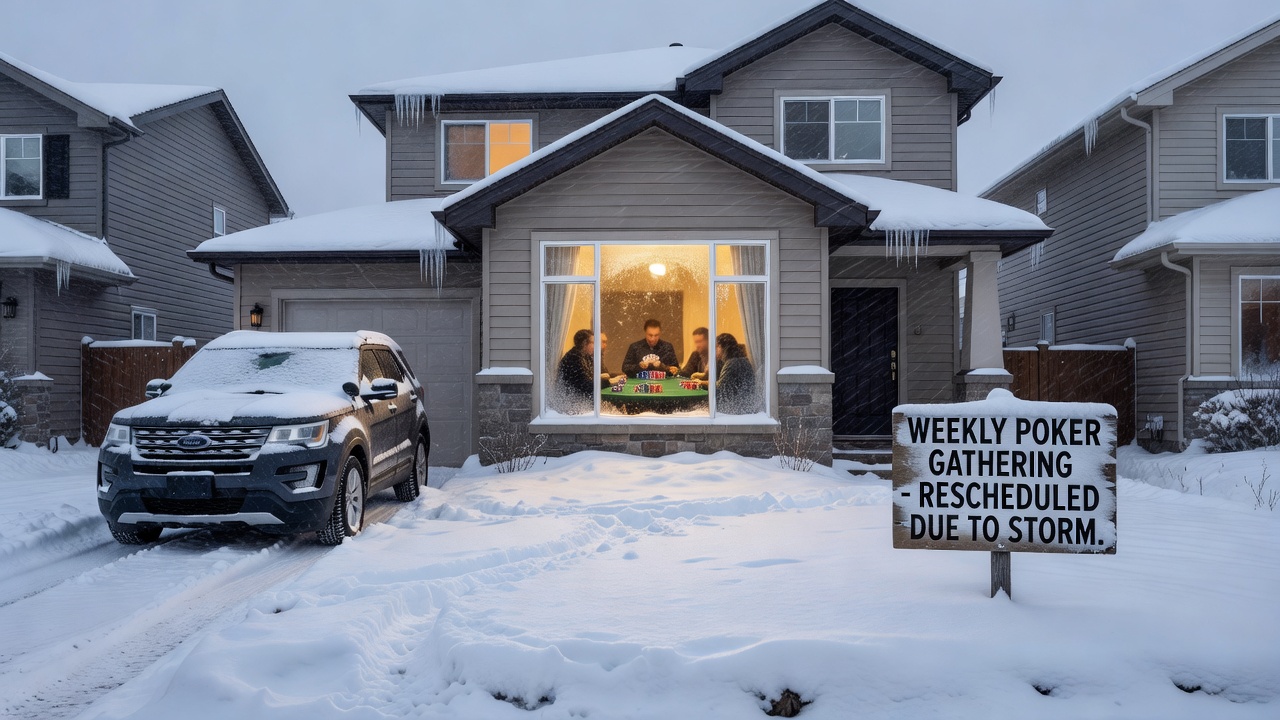
Suburban leagues that once met every Tuesday and Thursday now publish shared calendars that mark probable weather windows rather than fixed dates. Participants in the northeast and southwest quadrants coordinate through neighborhood apps to confirm road conditions reported by municipal crews, and games shift to Saturday afternoons when daylight extends clearing operations. Research published by the Prairie Climate Centre at the University of Winnipeg documents how prairie cities experience clustered storm sequences that compress available play windows into short bursts separated by multi-day recovery periods.
One northwest Calgary circle that previously hosted eight regular players now averages five attendees during January and February because longer commutes from outlying subdivisions become impractical. Hosts provide overnight options for those who travel farther, turning single-evening events into extended stays that accommodate early morning departures after roads receive fresh salt and sand. These adjustments appear in attendance logs kept by several longstanding groups, which record a 30 percent drop in midweek sessions between December and March compared with shoulder seasons.
Logistical Considerations and Equipment Shifts
Portable heaters and backup generators appear in garages repurposed for winter play, while snow tires and block heaters become standard requirements mentioned in invitation messages. Municipal bylaws limit noise after certain hours, so groups finish earlier during winter to avoid disturbing neighbors whose windows remain closed against the cold. Statistics released by Statistics Canada on household energy use show increased consumption during these months, a factor that influences some hosts to shorten sessions rather than extend heating costs.
Transportation alternatives gain attention when forecasts warn of whiteout conditions. Players arrange carpools using vehicles equipped with winter kits, and a few groups experiment with central locations such as community centers that offer easier access after plows complete primary routes. Alberta Infrastructure reports detail the deployment of additional equipment during major events, yet residential side streets still require individual effort from residents before gatherings can begin.
Conclusion
Winter conditions in Calgary continue to influence the timing and scale of suburban home poker gatherings through measurable effects on road safety, clearing priorities, and participant availability. Data from multiple agencies demonstrate consistent patterns of schedule compression and attendance fluctuation that repeat across successive seasons, including preparations underway as October 2026 transitions into the colder months ahead. Groups adapt by monitoring official sources and sharing real-time updates that keep gatherings viable even when original plans encounter disruption from accumulating snow.